Pre-event audience design
Segmentation and invitation tier work 30+ days before the event. The piece most teams skip and pay for during the event.
A page for the program already on your desk
Sixteen working programs grouped by where they sit in the event journey. From the 30 days before the invitations go out, through the day on the floor, to the 21 days after the last attendee leaves the venue.
Senior roundtables cap at 12; short labs run 20-30. We do not run cohorts above 30 — past that the critique stops working.
Section 1 — Attendee journey
Most programs sit at one waypoint. The two paired-team programs span two. None of them try to teach all six.
Segmentation and invitation tier work 30+ days before the event. The piece most teams skip and pay for during the event.
Sequencing the sessions, designing the connectors, briefing the speakers. The arc, not the slides.
Hybrid stage choreography, booth flow, ground-crew briefings. Everything that happens on the day.
What gets recorded, by whom, with what definition. Without this, attribution is folklore.
14-21 day cadences, lead grading, sales handoff. The two weeks after the event hold most of the value.
Attribution your CFO will read past paragraph one. CRM-to-field sync that does not lose half the records.
Visual schema · journey to artefact
Section 2 — Masterclass grid
The full list of sixteen is on the catalogue page. Every program below has its own detail page with prerequisites, inclusions, FAQ, and reviews.

Build a working segmentation of who you actually want in the room before you ever send the first invite.

Design a multi-session track where each session feeds the next, instead of stacking unrelated talks.
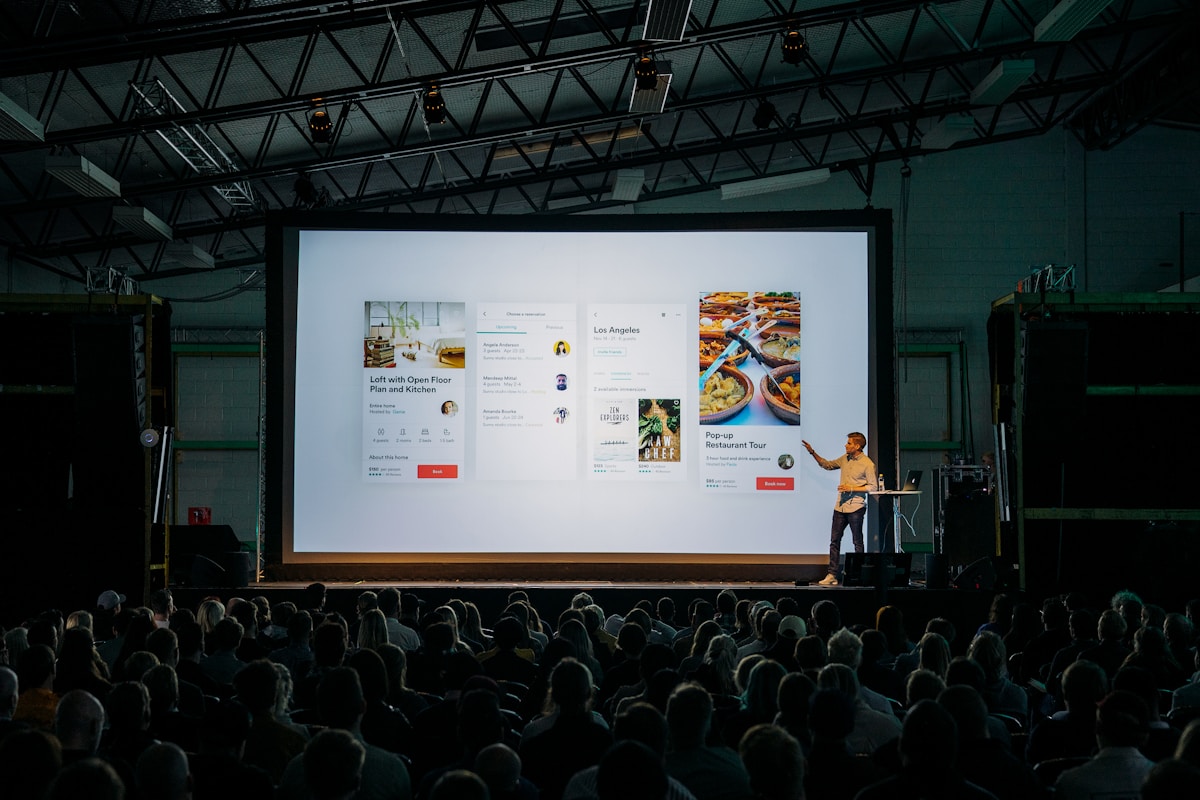
Design a hybrid event stage that does not punish the people watching from home or the people in the room.

A working session for the 21 days after the event when most of the pipeline value either lands or evaporates.

A senior roundtable on building event attribution your CFO will read past the first paragraph of.

Stop selling logo placements. Build sponsor activations your sponsors renew because they actually worked.
From past program participants
"The 21-day handoff template from Post-Event Pipeline Discipline is now part of our SOP. Our sales counterpart went from complaining about lead quality to asking when the next event is."
"The Attribution Model Roundtable was the first place anyone treated event attribution as a serious modelling exercise. The assumption log was the unexpected gift — our model survived a leadership change because of it."
FAQ for the programs page
Several. The page collects the sixteen masterclasses by where they land in the event journey, plus a few cross-program assets. There is no "all-access" bundle on purpose — picking one program keeps the choice honest.
Yes, for teams of 6+ from one organisation. Private cohorts work on your own data the entire time and skip the cross-cohort anonymisation. The conversation starts on the contact page.
Two ways. First, every program ships an artefact you keep — not a recording you store. Second, peer critique is the spine, not a footnote. If those two things are not what you need, an asynchronous course is probably a better fit.